

Only $1.00 on Kindle
Here’s the granite countertop care manual you didn’t receive with your new stone tops.
It shows you exactly how to care for your granite . . . how to clean granite countertops, how to seal granite, how to remove granite stains, granite repair, even how to clean stainless steel appliances.
Also, make sure you ask for a granite warranty for your granite countertops. Which granite cleaner and sealer kit should you use?
Granite care guidelines are seldom provided when you purchase stone countertops. Chances are, the instructions you were given for countertop care came from an installer or helper who has never been properly trained in the science of stone care.
This isn’t a slam against fabricators and installers, it’s just a fact. Wouldn’t it be nice to have an owners manual to show you proper care of granite countertops and how to keep your stone tops looking great for years? Well . . . here is the official granite insiders guide to stone countertop care.
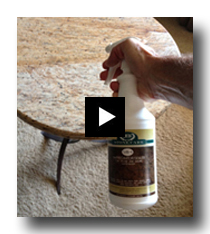
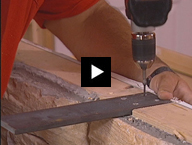
Watch this video to see how easy it is to clean and seal your granite tops

Care Of Granite Counter Tops
The natural stone you have purchased for your home or office is an investment that will give you many years of beautiful service.
Simple care and maintenance will help preserve your stone’s beauty for generations to come. This guide offers routine cleaning guidelines as well as procedures for stain removal should it become necessary.
Granite Care
Use coasters under all glasses, particularly those containing alcohol or citrus juices. Many common foods contain acids that can dull or etch the surface of many stones. Use trivets or mats under hot dishes and placemats under china, ceramics, silver, or other objects that can scratch the surface.
Here’s how real granite pros determine the need for sealing –
Stone Cleaning Procedures
The simplest means of granite countertop care is cleaning. Clean stone surfaces with a neutral cleaner, stone soap, or mild dishwashing detergent and warm water.
Too much cleaner or soap may leave a film. Do not use products that contain lemon, vinegar, or other acids on marble or other calcareous stones. Rinse the surface thoroughly after washing with the soap.
Do not use scouring powders or creams; these products contain abrasives that may scratch the stone. Tops may need to have a penetrating sealer applied.
As a fabricator and installer, we always degreased countertops and gave them their final cleaning with denatured alcohol. Denatured alcohol, it turns out, does wonders for granite cleaning and cutting through film buildup on your counters. The result is the original shiny surface.
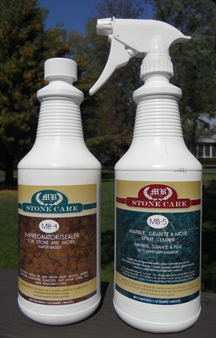
Cleaning granite countertops should only be done with specialized cleaners, not Windex or ammonia. The best performing granite cleaner we have found is MB-
We have provided this to all our customers as part of a stone care kit when we install a new countertop and when we show them how to clean granite. See Cleaning Granite Tops.
Know Your Stone
Natural stone can be classified into two general categories depending on its composition: siliceous or calcareous. Knowing the difference is critical when choosing cleaning products.
Siliceous stone is composed mainly of silica or quartz-
Calcareous stone is composed mainly of calcium carbonate. It is sensitive to acidic cleaning products and may require different cleaning procedures than siliceous stone. Examples of calcareous stone include marble, travertine, limestone, and onyx countertops.
You follow the procedure for a self-
Blot the spill with a paper towel immediately. Don’t wipe the area, it will spread the spill. Flush the area with plain water and mild soap and rinse several times. Dry the area with a soft cloth. Repeat as necessary. If the stain remains, refer to the following sections in this guide. See Granite Stain Removal.
Granite Care Manual Stain Guide
Types of Stains and Cleaning Actions Needed
Oil-
Organic (coffee, tea, fruit, tobacco, paper, food, urine, leaves) May cause a pinkish-
Metal (iron rust, copper, bronze) Iron or rust stains are orange to brown in color and follow the shape of the staining object. Copper and bronze stains appear as green or muddy-
Biological (algae, mildew, lichens, moss, fungi) Clean with dilute (1/2 cup in a gallon of water) ammonia OR bleach OR hydrogen peroxide. DO NOT MIX BLEACH AND AMMONIA! THIS COMBINATION PRODUCES A TOXIC AND LETHAL GAS!
Ink (magic marker, pen, ink) Clean with bleach OR hydrogen peroxide (light colored stone only!) OR lacquer thinner or acetone (dark stones only!)
Paint. Small amounts can be removed with lacquer thinner or scraped off carefully with a razor blade. Heavy paint coverage should be removed only with commercial “heavy liquid” paint stripper available from hardware stores and paint centers. These strippers normally contain caustic soda or lye. Do not use acids or flame tools to strip paint.
Paint strippers can etch the stone surface. Follow the manufacturer’s directions taking care to flush the area thoroughly with clean water. Protect yourself with rubber gloves and eye protection. Work only in well ventilated areas. Normally, latex or acrylic paint will not cause staining. Oil based paints, linseed oil, putty, caulks and sealants may cause oily stains.
Scratches and Nicks. Surface scratches may be buffed with dry 0000 steel wool. Deeper scratches and nicks should be repaired and re-
Cleaning Stone With A Poultice
Sometimes stone top care requires removing stains with a poultice. A poultice is a liquid cleaner or chemical mixed with a white absorbent material to form a paste about the consistency of peanut butter.
The poultice is spread over the stained area to a thickness of about ½” with a wood or plastic spatula, covered with plastic, and left to work for 24 to 48 hours. The liquid cleaner or chemical will draw out the stain into the absorbent material. Poultice procedures may need to be repeated to completely remove a stain.
Poultice Materials
Poultice materials include kaolin, fuller’s earth, whiting, diatomaceous earth, powdered chalk, white molding plaster or talc. Approximately one pound of prepared poultice material will cover one square foot. Do not use whiting or iron-
The reaction will cancel the effect of the poultice. A poultice can also be prepared using white cotton balls, white paper towels or gauze pads.
Stone Cleaning Agents By Type Of Stain
Oil Based Stains
Poultice with baking soda and water OR one of the powdered poultice materials and mineral spirits.
Organic Stains
Poultice with one of the powdered poultice materials and 12% hydrogen peroxide (hair bleaching strength) OR use acetone instead of the hydrogen peroxide.
Iron Stains
Poultice with diatomaceous earth and a commercially available rust remover. Rust stains are particularly difficult to remove and may require a professional.
Copper Stains
Poultice with one of the powdered poultice materials and ammonia. Biological Stains. Poultice with dilute ammonia OR bleach OR hydrogen peroxide. DO NOT MIX BLEACH AND AMMONIA! THIS COMBINATION PRODUCES A TOXIC AND LETHAL GAS!
Applying the Poultice
Prepare the poultice. If using powder, mix the cleaning agent or chemical to a thick paste the consistency of peanut butter. If using paper, soak in the chemical and let drain. Don’t let the liquid drip.
Wet the stained area with distilled water. Apply the poultice to the stained area about ¼ to ½ inch thick and extend the poultice beyond the stained area by about one inch. Use a wood or plastic scraper to spread the poultice evenly. Cover the poultice with plastic and tape the edges to seal it. Allow the poultice to dry for about 24 to 48 hours.
The drying process is what pulls the stain out of the stone and into the poultice material. After about 24 hours, remove the plastic and allow the poultice to dry. Remove the poultice from the stain. Rinse with distilled water and buff dry with a soft cloth.
Use the wood or plastic scraper if necessary to lift the poultice off the stain. Repeat the poultice application if the stain is not removed. It may take up to five applications for difficult stains.
Care of granite countertops is simple and not time consuming. You should never even need to deal with stains and your granite will look great year after year.
See Cleaning Stainless Steel Sinks for advice and tips to keep your granite sinks looking new.
See Granite Repair Kit for tips and resources to fix damaged and chipped tops.
See Granite Sealer for granite sealers and cleaners.
How to remove soap film from granite countertops
Why should you seal granite? Sealing granite is a misunderstood practice and perhaps even a misused marketing weapon. There’s a great deal of ignorance in the stone industry when it comes to sealing stone countertops.
It’s generally believed that all stone counters need to be sealed. Not true. Some stones absorb more than others. Granite sealer consists of a solid part, or resin, and a solvent or water carrier.
The solid stays in the stone and clogs the pores of the stone to keep liquid stains out. The carrier brings the solid into the stone and then evaporates.
Of critical importance to the sealing process, is the thorough and complete cleaning and removal of any residue from the stone surface. This prevents any alterations to the color or the finish of the stone.
How do you determine if sealing granite is necessary? Different granites have different sealing needs depending on how porous they are. Some granites never need sealer and should never be sealed (black stones especially). Others need several coats of sealer. Granite is very different than marble countertops or limestone countertops, so first make sure you are dealing with granite.
Test your stone by putting a few drops of lemon juice in an inconspicuous place. If dark spots appear quickly, the stone is potentially a problem since it is reacting with an acid. It may not be granite and chances are it cannot be sealed properly.
This is especially true with limestone countertops. If the drops take a minute or so to be absorbed, you can protect the top with sealer.
If the lemon juice doesn’t absorb at all, the stone does not need to be sealed. Contrary to what you may have heard, sealing granite is not always a necessary part of granite counter care..
Many granite installers use poor quality silicon or siloxane based sealers that require re-
Natural stone should be sealer with a fluorocarbon alphatic resin sealer. Unlike silicon sealers, it will not evaporate or go through any type of natural deterioration. It’s one reason MB Stone MB-
If you’re dealing with calcium based stones like limestone or marble, no matter what sealer you use, you cannot avoid the damage caused by acids. That’s just a fact.
See GraniteCarePro.com for granite countertop care including professional sealing and cleaning products and more on how to seal granite.
How to disinfect granite countertops with UV light
Don’t Clean Your Granite With Dishwashing Soap!
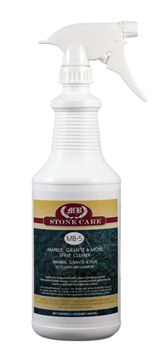
What you read about granite care products can be misleading and vastly overstated. Cleaning granite countertops should only be done with specialized cleaners, not Windex or ammonia and never plain soapy water.
The best performing product I’ve found and use in my granite countertop company is MB-
Effortlessly and effectively clean your stone countertops without leaving any streaks. Safe to use on stainless fixtures and sinks as well. You should clean your counters daily using a specialty product for stone, such as MB-
We provide this to all our customers as part of a stone care kit when we install new countertops and when we show them how to clean granite.
Only $14.45
Is Your Granite Sealed Properly?
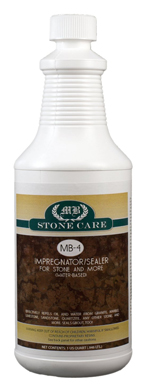
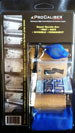
As professional granite installers, we provide MB-
We researched and tested several stone sealers before choosing MB-
Don’t trust your granite investment to anything else . . . but MB-
Why should you seal granite? Granite is a natural product and inherently porous. It can stain.
Many granite companies use poor quality silicon or siloxane based sealers that require re-
MB-
Applied properly, this sealer will last 10 to 15 years and you don’t need to reapply before then!
Full instructions and you’re done in minutes!
Only $47.45

Return from Granite Countertop Care Manual to Granite Care Guide